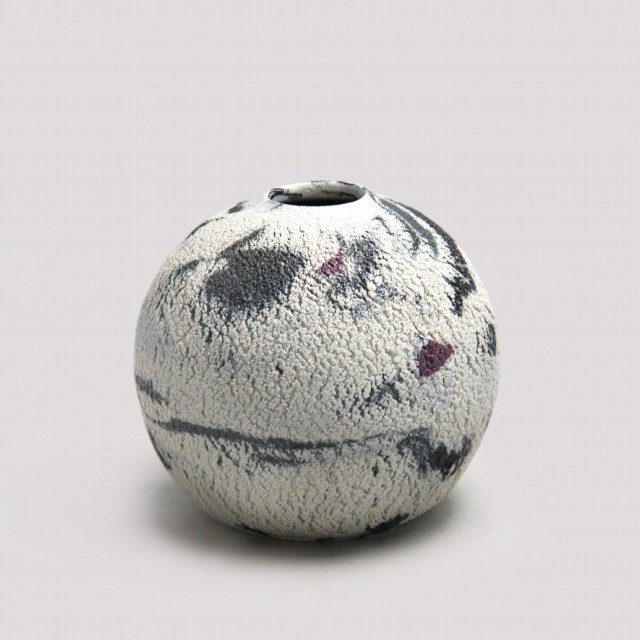
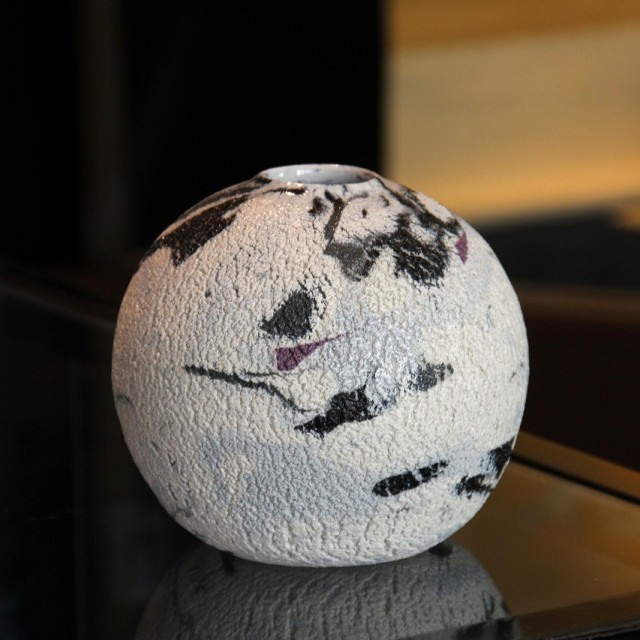
▲This jar is by ceramic artist Yasunari Matsui (1927–2003), who was designated a Living National Treasure for his mastery of the neriue technique.
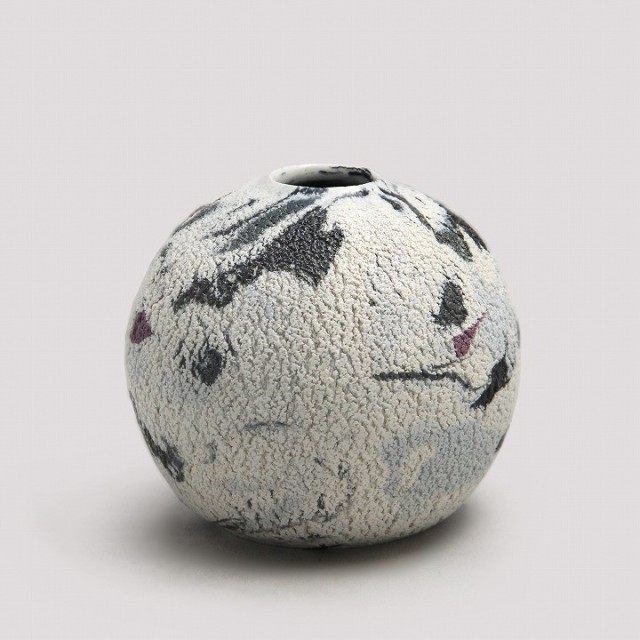
▲Neriage is a technique where clay of different colors is layered multiple times, shaping the piece to highlight the patterns visible in cross-section.
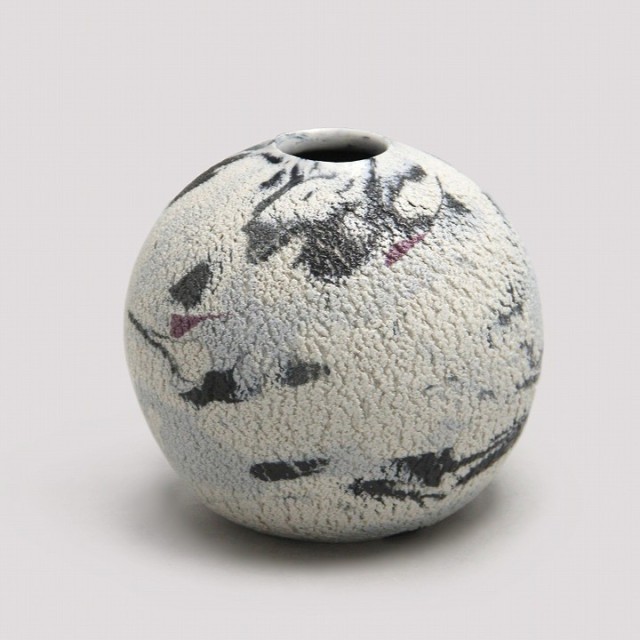
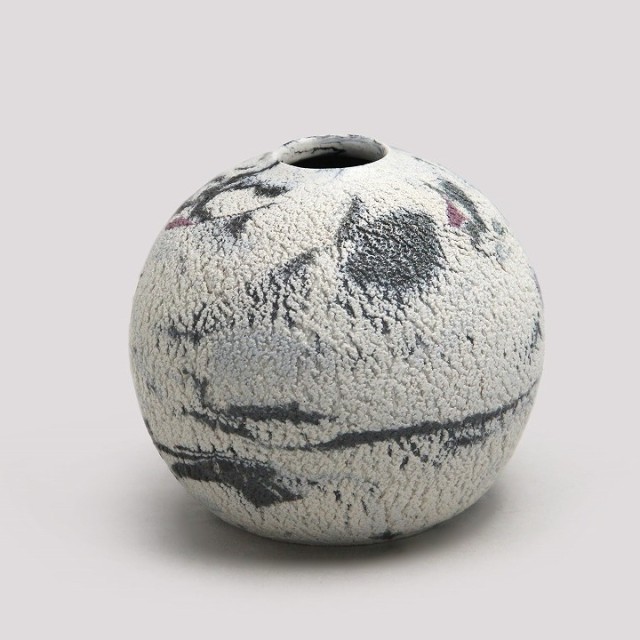
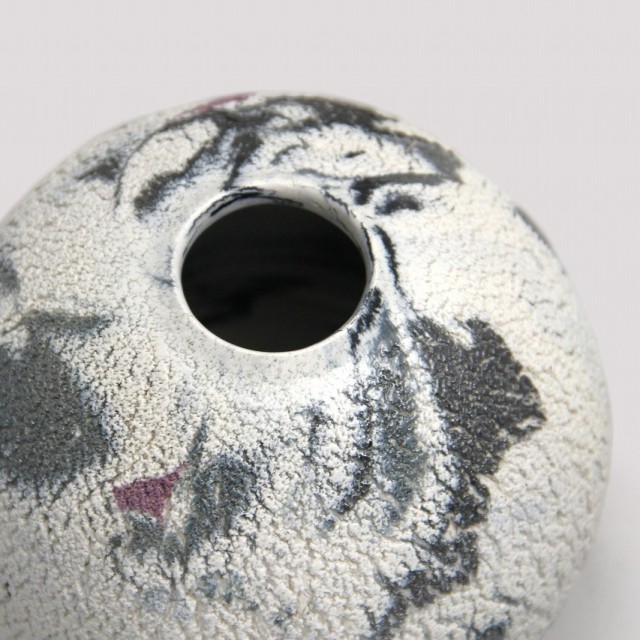
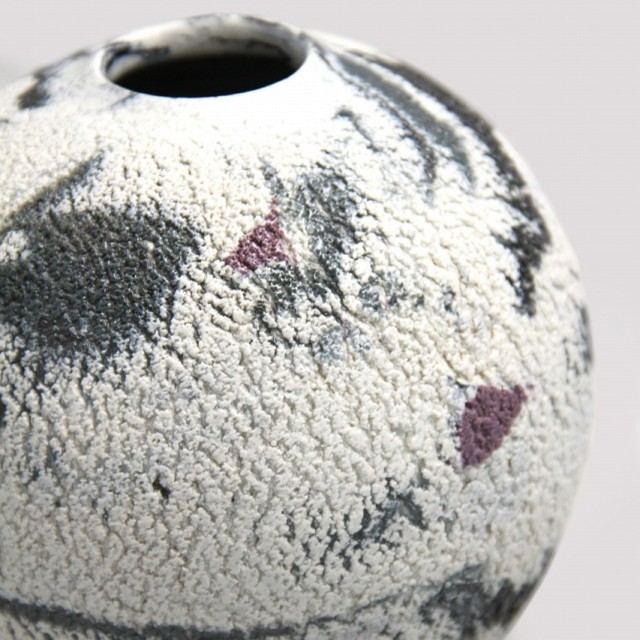
▲“Hacho”
The “Hacho” technique employed in this work incorporates the rotational movement of the potter's wheel into the pattern, creating an original expression that evokes a sense of motion and rhythm.
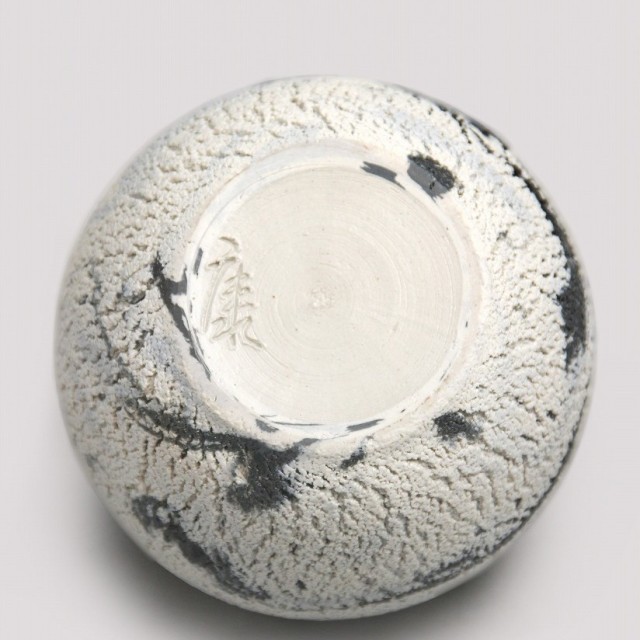
▲The character “康” is inscribed on the foot.
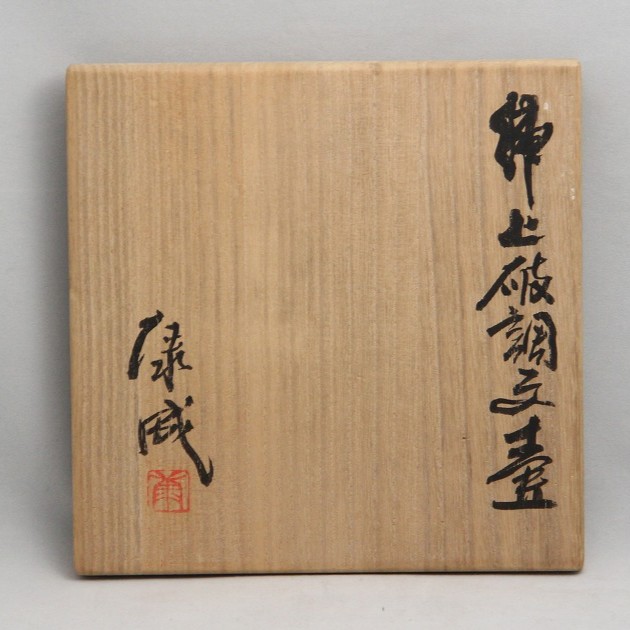
▲Box by Kosei MATSUI
Inscribed with “Neriage Hachōmon Vase”.
Original Box
Showa
living national treasure
D15cm H14cm
This vase was created by Kosei Matsui (1927–2003), a master ceramic artist who was designated a Living National Treasure for his work in the neriage technique.
The neriage method, believed to have originated in Tang dynasty China, involves layering and kneading together different colored clays to form intricate patterns that are revealed during the shaping process. Matsui elevated this ancient technique into a unique mode of artistic expression, infusing it with his own refined sensibility and creativity.
He also named several of his distinctive techniques to articulate their conceptual and aesthetic intent. This piece employs the method known as hachō (“disrupted harmony”), one of Matsui’s signature innovations. By incorporating the rotational movement of the potter’s wheel into the design itself, hachō produces dynamic, rhythmical patterns that convey both movement and balance in a truly original way.
MATSUI Kōsei 松井康成
1927 - 2003
Designated as a Living National Treasure in 1993, Matsui Kōsei was hugely influential in the revival of neriage (marbleized, colored-clay ware that he perfected, studying numerous examples of ancient Chinese ceramics as a priest at Gessō-ji Temple in Kasama, Ibaraki Prefecture. Matsui far surpassed these historic predecessors by creating abstract and geometric surface patterning by applying to the surface or throwing numerous layered colored clays, often with a rough-hewn texture. His research and intense studies in this difficult technique, culminated in worldwide recognition for his tradition-steeped vessels.
Contact about the Item